
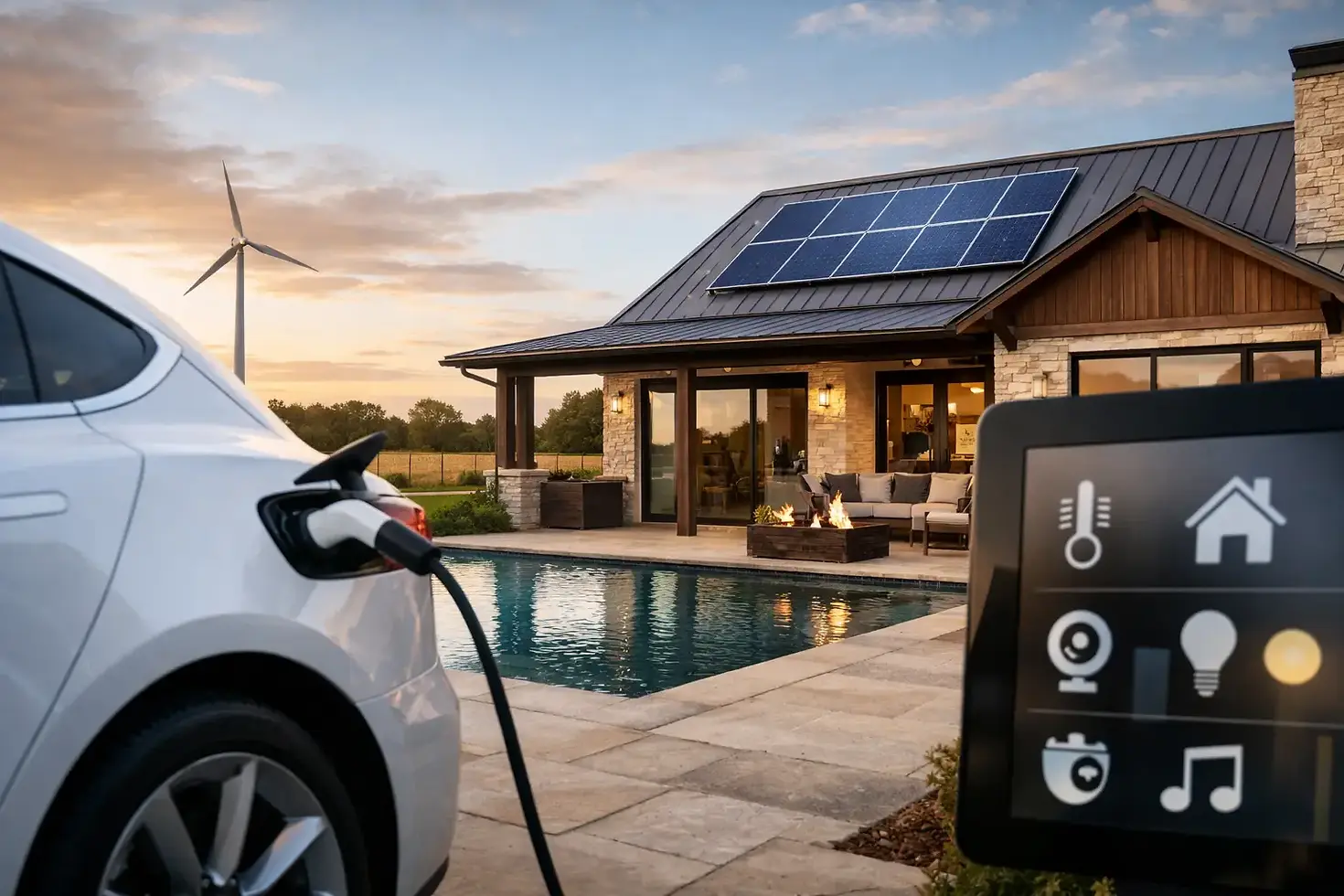
Future Proof Home Features for Texas Living
A Texas Hill Country home has to do more than look beautiful on move-in day. It needs to stay comfortable through long summer heat, accommodate changing family routines, withstand unpredictable weather, and support the way you want to live years from now. The right future proof home features make that possible by giving your home flexibility, durability, and lasting everyday value.
Future-proofing is not about filling a home with every new gadget or trying to predict every trend. It is about making thoughtful construction and remodeling decisions that reduce expensive changes later. For homeowners planning a custom build, major remodel, or addition, that approach protects both the enjoyment of the home and the investment behind it.
Future Proof Home Features Start With Flexible Space
A well-designed room should not have only one possible purpose. Families change, work arrangements shift, and the needs of a home often look very different five or ten years after construction is complete.
A dedicated office may eventually become a guest room, study space, hobby room, or a quiet place for an aging parent. A flex room near the main living area can serve as a playroom while children are young and become a media room or home gym later. The key is to plan the room with the right proportions, natural light, storage, and electrical access from the beginning.
For many Hill Country homeowners, a first-floor room with a full bath nearby is one of the most practical decisions available. It offers privacy for overnight guests today while preserving the option for multigenerational living in the future. This does not require a clinical look or a compromise in style. With careful design, it simply becomes a gracious guest suite that keeps more options open.
Storage also deserves more attention than it usually receives. Deep pantry space, organized utility rooms, built-in cabinetry, and well-planned garage storage prevent daily clutter from taking over beautiful rooms. Storage is not the most dramatic feature in a design presentation, but it has a direct effect on how livable a home remains over time.
Design for Comfortable Aging at Home
A future-ready home should be comfortable for people at every stage of life. Universal design features are often subtle, and when they are incorporated early, they can feel like a natural part of a refined custom home rather than an afterthought.
A single-level layout is ideal for some homeowners, particularly when building on a lot that allows it. In two-story homes, planning space for a future elevator or selecting a location where one could be added can prevent a major disruption later. Wider hallways and door openings, a zero-threshold entry, and lever-style door handles also improve day-to-day convenience for everyone, including families carrying groceries, strollers, or pool gear.
Bathrooms are especially worth planning carefully. A curbless shower, generous circulation space, secure blocking within walls for future grab bars, and a comfort-height vanity can create a spa-like retreat now while allowing the room to adapt gracefully later. These details are easier and more cost-effective to include during construction than to retrofit after tile, plumbing, and cabinetry are already in place.
The best approach depends on the homeowner and the property. A historic renovation in Fredericksburg may call for a different solution than a new custom home outside Boerne. What matters is having the conversation before plans are finalized.
Build for Texas Heat, Sun, and Weather
In Central Texas, future-proofing begins with the building envelope. High-quality insulation, properly sealed openings, efficient windows, and thoughtful roof design influence comfort every day of the year. They also help reduce the strain on heating and cooling equipment during periods of extreme heat.
Window placement deserves more than a passing decision. Beautiful views and natural light are central to Hill Country living, but large expanses of glass facing harsh afternoon sun can make rooms difficult to cool. Well-positioned overhangs, covered porches, exterior shading, and high-performance windows can preserve the view while improving comfort indoors.
A durable roof, dependable drainage, and carefully selected exterior materials are equally important. Heavy rain can arrive quickly, and prolonged sun exposure can be hard on finishes that were not selected for the local climate. Quality construction considers how water moves across the property, away from the foundation, and off the roof. This is practical work, but it protects the craftsmanship and visual appeal homeowners value.
Power resilience is another consideration. A standby generator, generator-ready electrical setup, or battery backup system may be worthwhile depending on the home’s location and the owner’s priorities. At a minimum, planning the electrical capacity and equipment location early gives homeowners more options when they are ready to make an investment.
Choose Systems That Can Adapt
Smart-home technology can be helpful, but it should support the home instead of defining it. Trends change quickly, and a house packed with proprietary devices can become outdated faster than expected. The better investment is a strong foundation for technology: thoughtful wiring, accessible service areas, adequate electrical capacity, and reliable network coverage throughout the home.
During a new build or major renovation, consider installing conduit or pathways that make it easier to run future wiring without opening finished walls. Plan outlets where they will actually be used, including in closets, garages, kitchen islands, outdoor living areas, and media locations. A dedicated location for networking equipment keeps systems organized and makes service simpler.
Lighting should be adaptable as well. Layered lighting gives a room more flexibility than a single ceiling fixture. Recessed lighting provides general illumination, while pendants, sconces, under-cabinet lights, and landscape lighting create warmth and function. Dimmers and carefully placed controls allow the same room to serve a busy morning, a family dinner, or a relaxed evening at home.
For HVAC, quality equipment matters, but so does design. Proper sizing, zoning, duct placement, and service access contribute to comfort and long-term performance. An oversized system is not automatically a better one. A knowledgeable builder and HVAC team should evaluate the home as a complete system rather than simply selecting the largest available unit.
Invest in Outdoor Living That Lasts
Outdoor space is part of everyday life in the Texas Hill Country. A covered patio, outdoor kitchen, pool, spa, or shaded seating area can become the setting for quiet evenings, family weekends, and memorable gatherings. To remain valuable over time, these spaces need the same level of planning as the interior.
Start with shade, airflow, drainage, and durable surfaces. A beautiful patio that receives direct late-afternoon sun without relief may see less use than expected. Covered structures, ceiling fans, landscaping, and orientation can make a significant difference in comfort. If a pool or spa is part of the plan, consider equipment access, safety features, lighting, and space for future maintenance before construction begins.
It is also wise to plan for how the home and outdoor areas connect. Wide doors, a continuous flooring transition where appropriate, and convenient access to a pool bath or mudroom can make entertaining easier. The goal is not to make every backyard look the same. It is to create an outdoor environment that feels natural to your property, your lifestyle, and the way you host family and friends.
Prioritize Timeless Materials Over Short-Lived Trends
Some trends bring immediate visual impact but can date a home quickly. Future-proof design does not mean avoiding personality. It means choosing a lasting foundation and bringing character through finishes that can be updated more easily.
Natural stone, quality woodwork, durable tile, well-built cabinetry, and classic architectural details tend to age well because they are grounded in craftsmanship rather than a passing color palette. Paint, wallpaper, lighting, hardware, and furnishings can express a homeowner’s current style without requiring a full renovation when tastes change.
This is especially important when renovating an existing home. A thoughtful addition or remodel should feel connected to the original structure while improving how the property functions. Matching materials, rooflines, proportions, and exterior details protects the home’s character and helps the finished work feel intentional.
Plan the Budget Around Long-Term Value
Not every future-proof feature needs to be installed immediately. In many projects, the smartest choice is to prepare for an upgrade now and complete it later. Running plumbing to a planned outdoor kitchen, adding structural support for a future patio cover, or roughing in electrical service for a workshop can be far more affordable during construction than after the fact.
The priorities should reflect how you live. A family that spends every weekend outdoors may benefit more from a thoughtfully designed covered patio than from a highly automated interior system. Homeowners planning to stay for decades may place greater value on first-floor living and accessible bathrooms. There is no universal checklist that fits every property.
With more than 24 years of construction experience, Buildcraft Home Group approaches these decisions as part of a larger vision: creating beautiful spaces that work for the homeowner now and continue to serve them well as life changes. The best future-ready home is not one that tries to anticipate every possibility. It is one built with enough care, quality, and flexibility to welcome what comes next.


Comments