
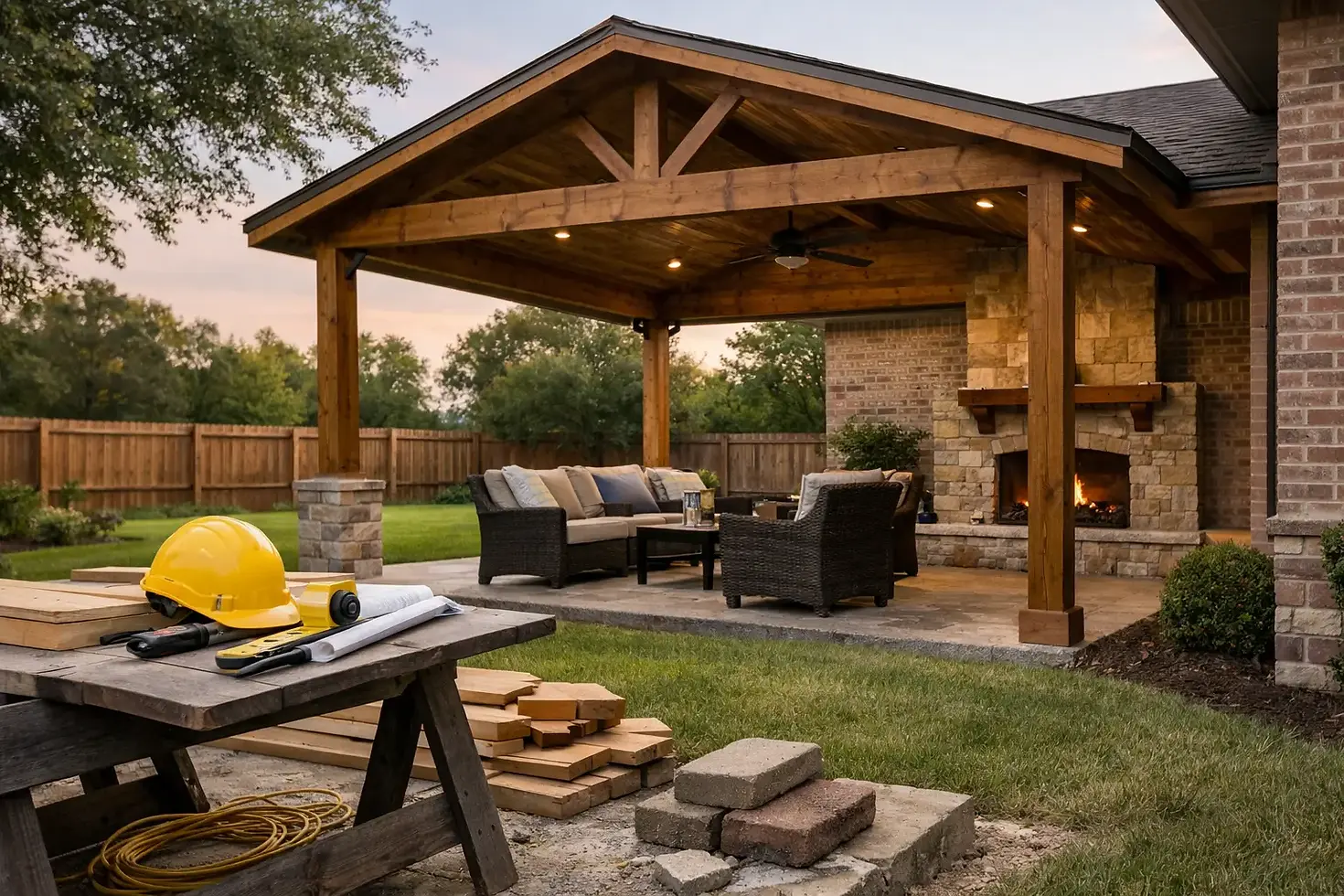
Covered Patio Addition Cost in Texas
A covered patio can change how a home lives day to day in the Texas Hill Country. When the sun is intense, the wind picks up, or an afternoon shower rolls through, that extra shade and shelter quickly becomes one of the most used parts of the property. For many homeowners, the first question is simple: what is a realistic covered patio addition cost, and what exactly are you paying for?
The honest answer is that cost depends on design, structure, finishes, and how seamlessly the new patio ties into the home you already have. A basic cover attached to the back of a house will cost far less than a fully finished outdoor living area with a vaulted ceiling, stone columns, lighting, fans, and an outdoor kitchen connection. Both can be worthwhile investments, but they serve very different goals.
What affects covered patio addition cost most?
Size is the most obvious factor, but it is not the only one. A larger patio needs more framing, roofing, concrete work, and finish materials. Still, two patios with the same square footage can land at very different price points if one is straightforward and the other is built as a custom architectural feature.
Roof style plays a major role. A simple shed-style roof is often more budget-friendly than a gable or vaulted design. If you want the patio roofline to match the home closely, the framing and finish work usually become more detailed, which raises labor and material costs. That extra investment can be worth it when the goal is a patio that looks original to the house rather than added on later.
Foundation and slab work can also shift the budget quickly. If there is already a sound concrete patio in place, that may reduce some of the scope. If a new slab is needed, costs increase based on site prep, grading, reinforcement, and drainage needs. In parts of Central Texas, soil conditions and slope matter more than many homeowners expect.
Materials matter just as much as structure. Wood framing, cedar posts, composite ceiling finishes, standing seam metal roofing, shingles to match the house, tongue-and-groove ceilings, stone columns, and decorative trim all influence the final number. The patio itself may start as a functional cover, but finishes are often what turn it into a true outdoor room.
Typical covered patio addition cost ranges
For a basic covered patio addition, many homeowners may spend somewhere in the lower five figures. That usually applies to a modest-size patio with standard materials, a simpler roof design, and limited electrical work. If the goal is shade and weather protection without a long list of upgrades, this can be a practical path.
A mid-range project often includes a larger footprint, better finish materials, ceiling fans, recessed lighting, and a design that blends more intentionally with the home. This is where many families in Boerne, New Braunfels, Fredericksburg, Kerrville, and San Antonio start to see the best balance of function, appearance, and long-term value.
At the higher end, a covered patio becomes a custom outdoor living space. That can include stained wood ceilings, masonry columns, upgraded flooring, built-in audio, an integrated grill area, or a layout designed around entertaining. In these projects, the covered patio addition cost reflects far more than a roof over concrete. It reflects custom craftsmanship, design continuity, and a more complete lifestyle upgrade.
Because every home and site is different, exact numbers should always come from a project-specific estimate. Broad online averages can be useful for rough planning, but they rarely capture the full scope of a quality build in the Texas market.
Why Texas projects can cost more or less
In Texas, weather is part of the design conversation. A patio cover has to do more than look good. It needs to handle heat, sudden storms, and long-term exposure to sun and moisture. That can influence roofing choices, fasteners, finishes, and structural details.
Local permitting and code requirements may also affect price. Some municipalities and neighborhoods have specific rules on setbacks, roof tie-ins, structural loads, and overall design review. If a project involves engineering, HOA approvals, or utility coordination, planning costs can rise before construction begins.
Labor and material pricing also vary by region and demand. In active residential markets, skilled crews and premium materials command premium rates. The upside is better execution and fewer shortcuts. When a patio is attached to your home, structural quality is not the place to cut corners.
Design choices that increase value
Not every added cost is just an expense. Some upgrades improve the way the space feels and performs enough that they are worth serious consideration.
Ceiling height is one of them. A taller patio cover often feels more open, cooler, and more substantial. It can also improve the look of the home from the backyard. The same goes for matching roof materials and trim details. If the addition feels cohesive, it tends to enhance curb appeal and resale value more effectively.
Electrical is another area where thoughtful planning pays off. Homeowners often start with one fan and a couple of lights, then later wish they had added more. Recessed lighting, outlets for entertainment or heaters, and wiring for future upgrades are easier and more cost-effective to plan during construction than after the fact.
Finishes underfoot matter too. A plain slab works, but stained concrete, pavers, tile, or decorative finishes can make the patio feel more finished and inviting. The right surface also helps connect the patio visually to the home, pool area, or landscape design.
Where homeowners underestimate the budget
One common mistake is budgeting only for the cover itself and forgetting the surrounding work. Drainage adjustments, demolition, rerouting gutters, painting, concrete extensions, or repairs to existing exterior finishes can all be part of a complete patio project.
Another is treating the patio as a standalone feature when it really functions as part of a larger outdoor living plan. If you know you eventually want an outdoor kitchen, fireplace, pool connection, or screened-in area, that should shape the initial design. Building in phases can be smart, but only if the first phase is planned to support what comes next.
Homeowners also sometimes compare bids that are not truly equal. One estimate may include permits, electrical, staining, and cleanup, while another may leave several of those items out. A lower number is not always a better number if key pieces are missing.
How to budget for a covered patio addition cost wisely
Start with your priorities, not just your square footage. Ask whether the patio is mainly for shade, family dinners, entertaining, poolside relaxation, or year-round outdoor living. That answer will shape the right size, features, and finish level.
Next, think about how important design integration is to you. If you want the patio to feel like a natural extension of the home, expect to invest more in details. That added cost often creates a better long-term result, especially for higher-value homes where visual consistency matters.
It is also wise to set aside a contingency. Even well-planned residential construction can uncover adjustments once work begins, especially when tying new structure into an existing home. A little flexibility in the budget makes decision-making easier and helps keep quality intact.
Working with an experienced builder is one of the best ways to protect your investment. A seasoned team can help you sort through material options, identify structural considerations early, and create a patio that fits both your home and your goals. For homeowners in the Hill Country and greater San Antonio area, that local experience matters because site conditions, weather demands, and design expectations are all specific to the region.
Is a covered patio worth the cost?
For many homeowners, yes. A well-built covered patio expands usable living space without the cost of a fully enclosed addition. It creates comfort, improves daily enjoyment of the home, and can make outdoor areas far more practical through much of the year.
The key is building the right patio, not simply the cheapest one. A cover that looks out of place, lacks proper drainage, or feels undersized may not deliver the value you hoped for. A thoughtfully designed patio, built with craftsmanship and aligned with how your family lives, often becomes one of the most rewarding improvements you can make.
If you are planning a covered patio addition cost into your home improvement budget, the best starting point is a conversation grounded in your property, your style, and your long-term goals. The right project should do more than add shade. It should create a beautiful space that feels like it has always belonged to your home.


Comments