

Whole Home Renovation Planning Guide for Texans
- buildcrafthomegrou
- 4 days ago
- 5 min read
A whole-home remodel is rarely about one room. It is about finally making an older layout work for the way your family lives, bringing light into dark spaces, creating room for guests, and giving every finish a sense of belonging. This whole home renovation planning guide helps Texas Hill Country homeowners make those decisions with confidence before construction begins.
A thoughtful plan protects more than your budget. It protects the vision that made you want to renovate in the first place. When design choices, structural needs, material selections, and project timing are considered together, the finished home feels intentional rather than pieced together.
Start With How You Want to Live
Before choosing tile, paint colors, or cabinet hardware, define what needs to change in your daily life. A beautiful renovation should solve practical frustrations as well as improve the appearance of your home.
Walk through the house and notice where routines break down. Maybe the kitchen isolates the cook from everyone else. Perhaps your primary bathroom lacks storage, the living room feels disconnected from the outdoor space, or growing children and frequent visitors have made the existing floor plan feel cramped. These observations are more useful than a general goal to "update everything."
Write down the outcomes that matter most to your household. For many homeowners, the priorities include:
Opening the kitchen and living areas for family time and entertaining
Adding storage that keeps daily clutter out of sight
Improving the primary suite for comfort and privacy
Creating flexible space for a home office, guests, or aging parents
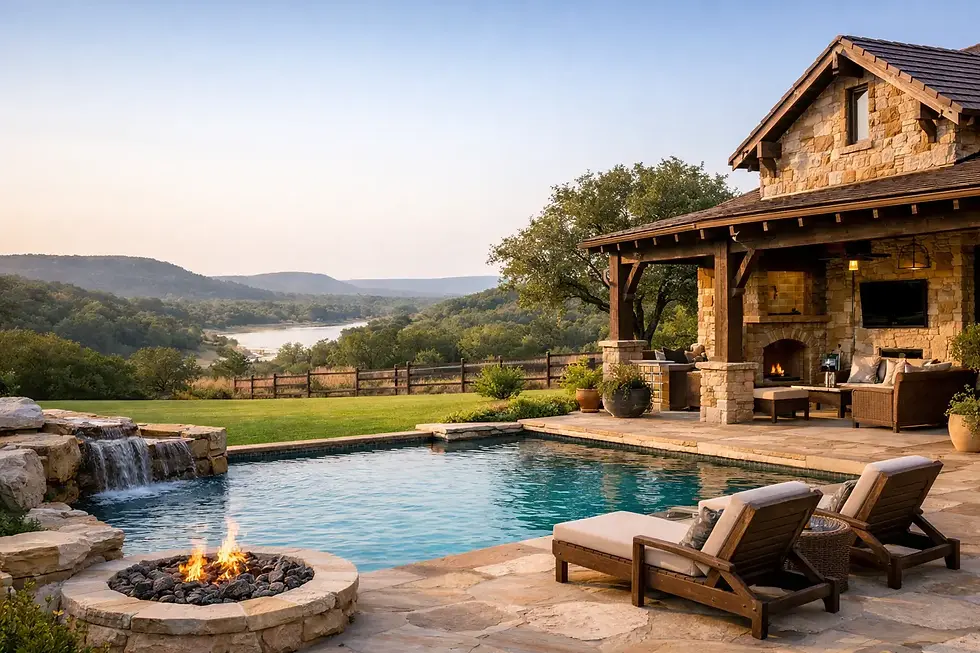
Extending the home outdoors with covered patios, pools, spas, or an outdoor kitchen
Not every goal carries the same weight. Identify your must-haves, your strong preferences, and the features that would be nice if the budget allows. This distinction becomes valuable when decisions arise later, especially if an existing-home condition calls for an adjustment.
Build a Realistic Scope Before Setting a Budget
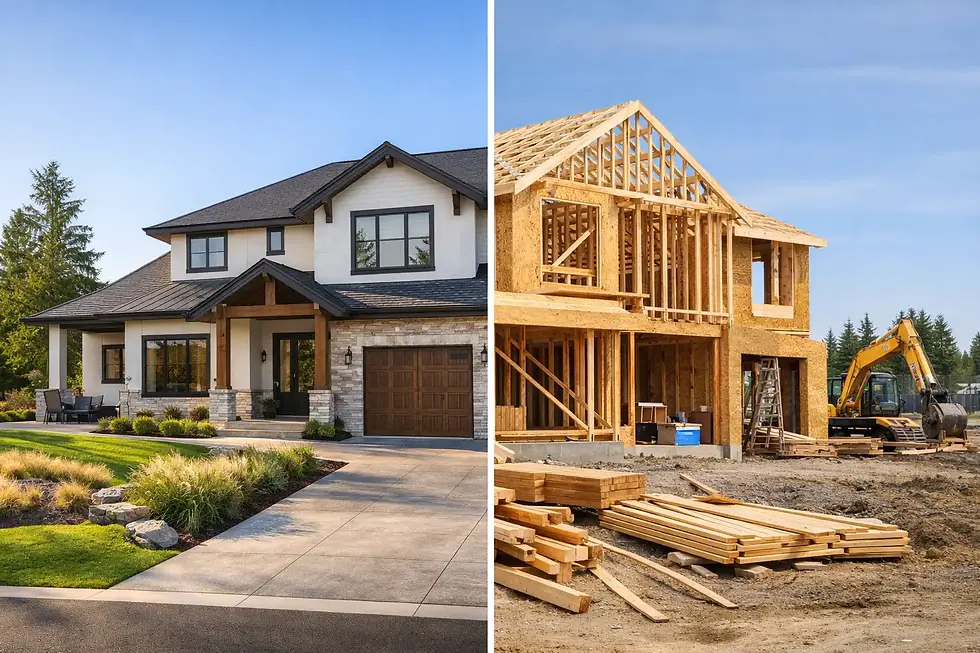
Whole-home projects can range from cosmetic updates to major reconfiguration. The difference is significant. Replacing finishes may involve paint, flooring, lighting, cabinets, and fixtures. Moving walls, changing rooflines, adding square footage, or relocating plumbing and electrical systems introduces a different level of design, permitting, scheduling, and investment.
Start by deciding whether your renovation is primarily a refresh, a reconfiguration, an addition, or a combination of all three. In many Texas Hill Country homes, the best result comes from pairing interior improvements with outdoor living upgrades. A new kitchen may naturally lead to larger doors opening onto a covered patio. A primary-suite renovation may make room for a more private courtyard or spa area.
Think carefully about what should remain untouched. Preserving a recently renovated room, existing cabinetry, hardwood floors, or a well-functioning mechanical system can preserve budget for areas that will have a greater effect on your lifestyle. On the other hand, renovating only part of an aging home can create inconsistencies in electrical capacity, plumbing, insulation, or finishes. The right choice depends on the home, the age of its systems, and how long you plan to stay.
Plan the Budget With Room for the Unknown
A whole-home renovation budget is not simply a cost per square foot. It reflects the work behind the walls, the quality of materials, the complexity of the design, site conditions, labor availability, and the level of customization you expect.
Begin with an overall investment range that feels responsible for your household, then work with a qualified builder to turn it into a detailed project scope. Your budget should account for construction, design and engineering when needed, permits, finish selections, site work, and a contingency for conditions that cannot be fully known until work begins.
Older homes can reveal surprises after walls or floors are opened. Water damage, outdated wiring, plumbing repairs, structural reinforcement, or code-related upgrades are not unusual. A contingency is not a sign that the plan is weak. It is a practical safeguard that allows you to address necessary work without sacrificing the most meaningful parts of the design.
Be honest about where you want to invest. Custom cabinetry, quality windows, durable flooring, and well-designed lighting can influence how the home performs and feels every day. Some decorative elements can be changed later. Structural work and foundational systems are much harder to revisit once the renovation is complete.
Create One Cohesive Design Direction
A full renovation gives you the opportunity to make the entire home feel connected. That does not mean every room must look identical. It means the materials, colors, proportions, and details should feel like they belong under the same roof.
Start with the architectural character of your home and the setting around it. A Hill Country property may call for natural stone, warm woods, textured plaster, black metal accents, or broad views framed by generous windows. A more traditional San Antonio home may benefit from details that respect its original proportions while introducing cleaner finishes and better function.
Select a few foundational elements early: flooring direction, cabinet style, countertop family, metal finishes, interior door style, and lighting character. These choices guide the smaller decisions that follow. They also help prevent a common renovation problem: each room looks attractive on its own, but the home as a whole lacks continuity.
Samples matter. Look at them in the actual home at different times of day. Texas sunlight can change how paint, stone, and wood tones read from morning to evening. Materials should also fit the way you live. A delicate finish may be perfect for a quiet retreat, while a busy family home may need surfaces that are forgiving, durable, and easy to maintain.
Sequence the Work Around Your Life
Living through a whole-home renovation requires a plan of its own. If the project includes a kitchen, bathrooms, bedrooms, or major utility interruptions, decide early whether you will remain in the home, move out temporarily, or complete the work in phases.
Moving out can shorten the construction timeline and give crews better access to the home. Staying in place may be possible when the project can be divided into defined zones, but it requires flexibility around noise, dust, reduced access, and changing routines. Families with young children, pets, work-from-home schedules, or medical needs should discuss these realities openly before work starts.
Your schedule should also account for long-lead selections. Windows, specialty doors, custom cabinetry, appliances, and certain fixtures may require more time than homeowners expect. Finalizing key selections before construction protects the schedule and reduces last-minute substitutions that may not match the original vision.
Weather and site conditions deserve consideration as well. Heavy rain, summer heat, uneven terrain, and rural access can affect exterior work in the Hill Country. A seasoned local builder will help sequence the project so these factors are managed rather than treated as an afterthought.
Choose a Builder Who Plans With You
The contractor you choose will shape not only the finished result but also your experience getting there. Look for a team that asks detailed questions, communicates clearly, respects your property, and can coordinate the many moving pieces of a comprehensive renovation.
A strong planning process should clarify the scope, anticipated timeline, allowances or selections, payment structure, and how changes will be documented. You should understand who will be on site, how the home will be protected, how questions will be handled, and what happens if the project uncovers an unexpected condition.
For a renovation involving design changes, additions, or exterior living spaces, experience across multiple residential disciplines is especially valuable. Buildcraft Home Group brings more than 24 years of construction experience to custom homes, remodels, additions, pools, spas, and repairs throughout the Texas Hill Country. That broader perspective helps connect the details of the project to the long-term performance of the home.
Give Decisions the Time They Deserve
The most successful renovations are not rushed by a single deadline or a trend that may fade quickly. Make choices that reflect how you want your home to serve your family over the next decade, not only how it will photograph when construction is complete.
A well-planned renovation can bring new life to a property without losing what made you love it. Start with the life you want to build inside its walls, then let every decision support that vision.

Comments