
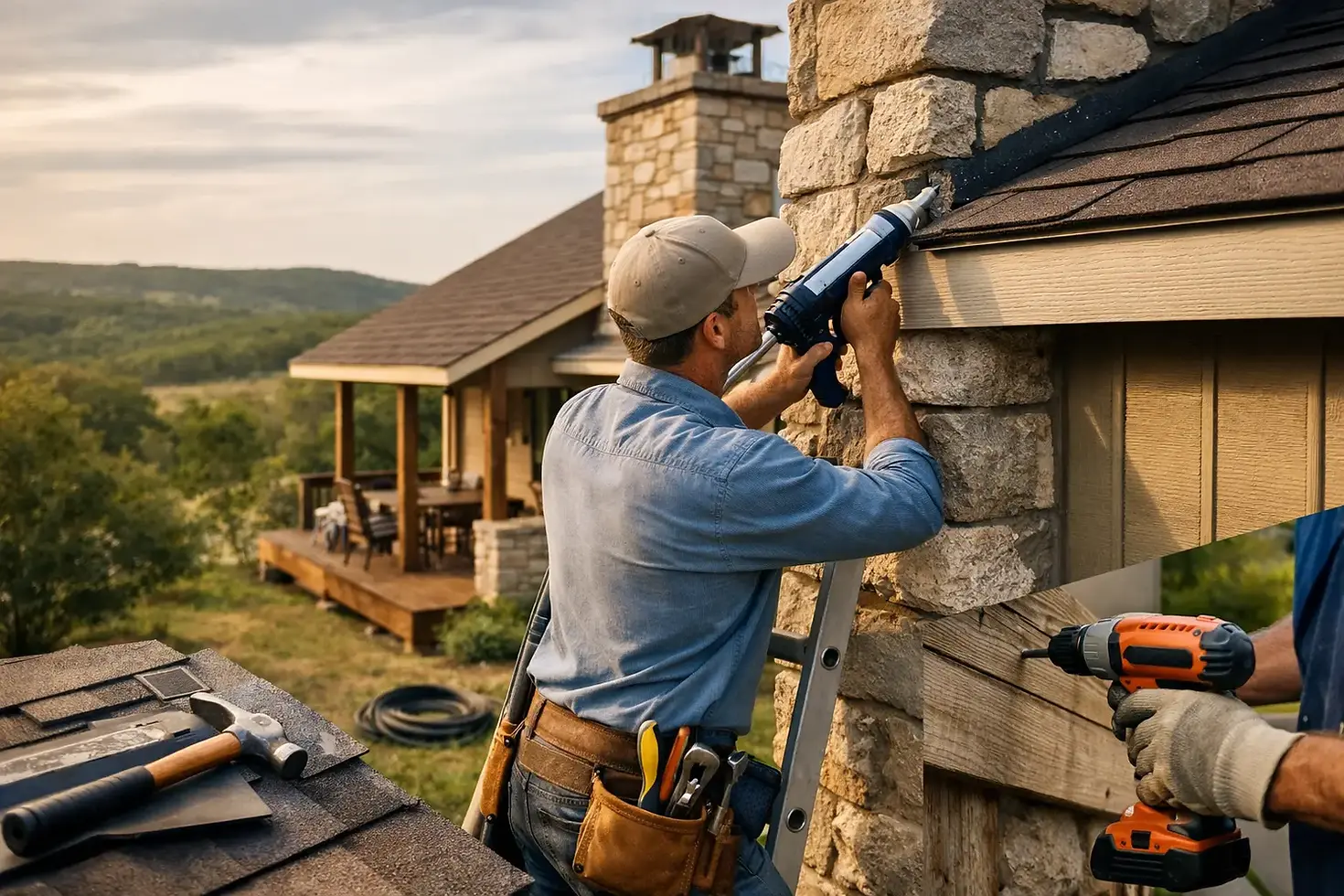
Home Repairs That Protect Hill Country Homes
A small water stain near the ceiling, a sticking exterior door, or a loose deck board can seem easy to postpone. In the Texas Hill Country, however, home repairs often become more involved when heat, sudden storms, shifting soil, and everyday wear are left to work on a problem. Addressing issues early protects more than a house's appearance. It preserves comfort, safety, and the value of the place you have worked hard to make your own.
The right approach is not to repair every imperfection immediately or to assume every issue requires a major renovation. It is to understand what your home is telling you, prioritize work with lasting consequences, and choose repairs that suit the age, construction, and character of the property.
Start Home Repairs With the Issues That Can Spread
Some repairs are largely cosmetic. Others create damage that quietly expands behind walls, beneath flooring, or around exterior openings. The most valuable first step is separating a nuisance from a problem that can affect the structure or systems of your home.
Water is usually the clearest example. A drip under a sink may be caused by a simple worn seal, but repeated moisture can damage cabinetry, subflooring, drywall, and nearby finishes. A roof leak may appear as a small ceiling stain long after water has already traveled from its original entry point. Waiting until the stain grows is rarely the less expensive choice.
Electrical and plumbing concerns deserve the same attention. Flickering lights, frequently tripped breakers, outlets that feel warm, slow drains, low water pressure, or unexplained increases in a water bill should not be treated as normal house quirks. These signs may have straightforward causes, but they should be evaluated before they interrupt daily life or create a safety concern.
Exterior conditions matter just as much. Cracked caulk around windows, deteriorating trim, damaged siding, and gaps at doors let moisture, heat, and pests find their way inside. In a region where intense sun and abrupt weather changes can challenge exterior materials, regular maintenance is one of the best defenses against larger repair projects.
Signs That Should Move to the Top of the List
Call for a professional assessment promptly when you notice persistent water staining, active leaks, burning odors from electrical fixtures, sagging ceilings, soft flooring, visible mold, or significant cracks that widen over time. These issues do not always signal the worst-case scenario, but they call for a clear diagnosis rather than a temporary cover-up.
Foundation-related changes deserve thoughtful attention in Central Texas as well. Small hairline cracks can be common in many homes, especially as materials settle. But doors and windows that suddenly stick, diagonal cracks at openings, sloping floors, or cracks that continue to change may indicate movement worth investigating. The solution depends on the cause, so cosmetic patching should not come before understanding what is happening beneath it.
Consider the Hill Country Conditions Around Your Home
Every home has a maintenance rhythm shaped by its setting. Hill Country properties may experience prolonged heat, periods of drought, heavy rain, high winds, and soil movement. Homes on larger lots can also have longer drainage paths, mature trees near foundations, detached structures, pools, and outdoor living areas that need the same level of care as the main house.
Drainage is a practical place to begin. Water should move away from the foundation, not collect near it. Gutters, downspouts, grading, and hardscape all play a role. A downspout that releases water beside the house or a patio that slopes toward an exterior wall can lead to recurring moisture problems. Correcting drainage may feel less exciting than selecting new finishes, but it supports everything inside the home.
Outdoor materials also need realistic expectations. Wood fencing, pergolas, decks, and trim benefit from routine inspection, sealing, and repair. Pool coping, tile, equipment pads, and surrounding decking should be checked for cracks, loose materials, and drainage concerns. Repairing a small problem in an outdoor space helps keep it safe, attractive, and ready for the family gatherings and quiet evenings it was designed to support.
Repair, Replace, or Improve?
A quality repair should make sense for both the immediate need and the future of the home. Sometimes repairing the existing component is the right decision. A well-built cabinet may only need new hardware, drawer adjustments, or localized water-damage repair. A door may need proper alignment rather than replacement. Preserving sound materials can respect the original character of a home while controlling unnecessary costs.
In other situations, replacement is the wiser investment. Repeated repairs to an aging water heater, failing windows, deteriorated roofing, or outdated electrical components can become more expensive and less reliable than a planned upgrade. The question is not simply whether something can be repaired. It is whether the repair will provide dependable service and fit the homeowner's long-term plans.
There is also a middle ground: an improvement that solves a repair issue while making the space work better. Replacing damaged flooring can be an opportunity to update the material throughout an adjoining area for a more cohesive look. Repairing a worn shower may lead to better waterproofing, improved lighting, and storage that suits the household. Fixing an exterior door can include upgrading weatherstripping and hardware for better security and energy performance.
This is where a whole-home perspective is valuable. A repair should not leave a new finish next to an unresolved source of moisture, nor should it create a mismatch that detracts from the rest of the room. Thoughtful planning helps practical work support the beauty and livability of the property.
Know When Professional Work Protects the Investment
Many homeowners are comfortable handling simple tasks such as changing filters, tightening loose hardware, touching up paint, or replacing basic weatherstripping. These small efforts are worthwhile and can keep a home looking cared for between larger projects.
Work involving structural conditions, electrical systems, plumbing inside walls, roofing, waterproofing, gas lines, or permits is different. The visible issue may be only one part of the job. A professional can assess the surrounding conditions, identify the correct repair scope, and complete the work with proper materials and methods.
For larger home repairs, communication is as important as craftsmanship. Homeowners should expect a clear explanation of the issue, the recommended approach, what may be uncovered once work begins, and how the repaired area will be finished. Older homes and custom properties can hold surprises behind walls or under flooring. A trusted contractor does not promise that unknown conditions do not exist. Instead, they explain the possibilities and provide a sensible path forward if conditions change.
It is also helpful to think beyond the immediate repair. If a kitchen wall is being opened for plumbing work, it may be the right time to consider insulation, electrical updates, or small layout improvements. That does not mean expanding every repair into a remodel. It means making informed choices while access is available, especially when the work can prevent future disruption.
Build a Practical Repair Plan
A repair plan does not need to be complicated. Keep a running record of concerns as they appear, including photos, dates, and notes about changes after rain or temperature shifts. This creates a clearer picture for both you and the professional evaluating the issue.
Then organize projects by urgency. Safety and active water intrusion come first. Next are repairs that can damage the structure, exterior envelope, or major systems if delayed. Cosmetic updates and convenience improvements can follow on a schedule that fits your budget and lifestyle.
Seasonal checkups make this easier. Before periods of heavy rain, inspect roof penetrations, gutters, drainage, and exterior sealant. During warmer months, monitor cooling performance, irrigation, and outdoor surfaces. Before cooler weather arrives, check doors, windows, fireplaces, and weatherstripping. Consistent attention is less disruptive than reacting to a failure at the least convenient time.
For homeowners planning more substantial improvements, repairs can become the starting point for something better. A damaged bathroom can be renewed into a more comfortable retreat. Worn exterior features can become a polished outdoor living space. An aging room can be repaired with materials and details that bring it into harmony with the rest of the home.
With more than 24 years of construction experience, Buildcraft Home Group approaches each project with that balance of practical care and personalized vision. The goal is not simply to make a problem disappear. It is to deliver work that feels right for your home, your lifestyle, and the years ahead.
A well-maintained home gives you more freedom to enjoy it. When a repair is handled with care, it becomes one less concern competing for your attention and one more reason to feel confident in the space you call home.


Comments